

Buying your first home is exciting, but it can also feel overwhelming. Between saving a deposit, understanding what you can afford, and navigating the mortgage process, there’s a lot to think about. The good news? With the right preparation, you can approach the whole journey with confidence.
Whether you’re a first-time buyer dreaming of getting on the property ladder, a home mover planning your next step, or someone remortgaging to raise funds for a purchase, getting ready to buy starts long before you view your first property.
Start with your finances
The foundation of any successful home purchase is getting your finances in order. Lenders want to see that you’re financially responsible and can afford the mortgage both now and in the future.
Save your deposit
Most lenders require a deposit of at least 5-10% of the property price, though the more you can put down, the better your mortgage options and rates. A larger deposit reduces the lender’s risk and opens up access to more competitive deals.
If you’re a first-time buyer, consider setting up a Lifetime ISA (LISA). You can save up to £4,000 per year and the government adds a 25% bonus (up to £1,000 annually). It’s one of the most tax-efficient ways to build your deposit, though there are restrictions on when and how you can use the funds.
Your deposit doesn’t have to come entirely from your own savings. Gifted deposits from family, inheritance, and certain government schemes are all acceptable to lenders, though each has its own requirements.
Understand your income and outgoings
Lenders assess your affordability by looking at your income and your committed expenditure. This means they’ll review your salary, any bonuses or additional income, and weigh that against your regular outgoings like rent, bills, loans, and credit card payments.
Before you even speak to a broker, it’s worth doing this exercise yourself. Track your spending for a few months to understand where your money goes. Are there subscriptions you don’t use? Could you reduce discretionary spending to boost your savings or improve your affordability?
When you meet with your adviser, they’ll go through a detailed budget with you to ensure your mortgage is sustainable and fits comfortably within your lifestyle.
Check your credit file
Your credit file is one of the most important factors in your mortgage application. It shows lenders how you’ve managed credit in the past and helps them decide whether to lend to you.
Check your credit file early, ideally 6-12 months before you plan to apply for a mortgage. This gives you time to correct any errors, address missed payments, and improve your score if needed. We’ve covered this in detail in our guide to understanding credit files, including how to check it for free and what lenders are really looking for.
For first-time buyers with little or no credit history (a “thin” credit file), don’t worry. Some lenders specialise in this area, and there are steps you can take to build a positive credit history before applying.
Work out what you can afford
Just because a lender will lend you a certain amount doesn’t mean you should borrow it. Understanding what’s affordable for you is about more than just qualifying for a mortgage.
Use a mortgage calculator
Before you start viewing properties, get a realistic sense of your budget. Our mortgage borrowing calculator gives you an estimate of how much you might be able to borrow based on your income and circumstances.
Remember, this is just a starting point. Every lender has different criteria, and your personal situation (employment type, dependents, existing debts) will all affect the final figure.
You can also use our rate finder to see what your monthly payments might look like at different borrowing amounts and interest rates. This helps you understand not just what you can borrow, but what feels comfortable to repay.
Factor in all the costs
Buying a home isn’t just about the deposit and mortgage. There are upfront costs like solicitor fees, survey costs, and stamp duty (though first-time buyers benefit from relief on properties up to £425,000). Then there are ongoing costs like buildings insurance, maintenance, and potential service charges or ground rent.
Make sure you’re budgeting for the full picture, not just the headline property price. We’ll cover this in more detail in our guide to understanding moving costs.
Don’t stretch yourself too thin
It’s tempting to borrow the maximum amount to get a bigger or better property, but life is unpredictable. What happens if interest rates rise when you remortgage? What if you have a baby and your household income drops? What if your car breaks down or you need emergency home repairs?
Building in a buffer means you’re not living month-to-month, and you’ll sleep better knowing you can handle the unexpected.
Get your documents ready
When you’re ready to apply for a mortgage, you’ll need to prove your income, identity, and deposit source. Getting these documents together early speeds up the process and shows lenders you’re organised and serious.
What you’ll typically need:
Proof of income:
- 3 months’ payslips (employed)
- 2-3 years’ accounts or tax returns (self-employed)
- P60 or tax year overview
Proof of deposit:
- 3 months’ bank statements showing your savings
- Gifted deposit letters (if applicable)
- Proof of any other deposit sources (inheritance, sale of assets, etc.)
Proof of identity and address:
- Passport or driving licence
- Recent utility bills or council tax statements
Credit commitments:
- Details of any loans, credit cards, car finance, or other debts
If you’re self-employed or have a more complex income structure (bonuses, commission, contractor income), your adviser will guide you on what additional evidence you’ll need.
Understand what lenders look for
Lenders assess your application based on affordability, creditworthiness, and the property itself. Here’s what they’re really looking at:
Income stability. Lenders prefer consistent, provable income. If you’re employed, they’ll verify your salary. If you’re self-employed, they’ll typically want at least two years’ accounts to show your income is sustainable.
Existing debts. High levels of debt reduce your affordability. Lenders look at your debt-to-income ratio and will factor in minimum payments on credit cards, loans, and car finance when calculating how much you can borrow.
Credit history. Missed payments, defaults, and CCJs can all affect your application. The better your credit file, the more lenders you’ll have access to and the better your rates.
Dependents. If you have children or other dependents, lenders factor this into their affordability calculations.
Employment type. Permanent employees are generally viewed as lower risk than contractors, zero-hours workers, or those in probation periods, though specialist lenders exist for these situations.
Understanding how lenders assess you helps you present the strongest possible application. If you’re unsure whether you’ll qualify, speaking to a broker early can save you from making applications that might be declined.
When to speak to a mortgage broker
You don’t need to wait until you’ve found a property to speak to a broker. In fact, it’s better to speak to one early.
A good broker will help you understand what’s realistic for your situation, guide you on improving your affordability or credit file if needed, and give you a clear roadmap of what to do and when.
At Ernest Grant Mortgages, we often speak to clients 6-12 months before they’re ready to buy. This gives us time to make sure everything’s in place so that when the right property comes along, you’re ready to move quickly.
We’ll also help you get an Agreement in Principle when the time is right. An AIP shows estate agents and sellers that you’re a serious buyer with the financial backing to proceed, which is essential in competitive markets.
Decide on the right mortgage for you
We’ve covered the different types of mortgages in detail, but it’s worth thinking about what suits your priorities.
Do you want the certainty of a fixed rate, or are you comfortable with a tracker that moves with the Bank of England base rate? How long do you want to fix for? What mortgage term makes sense for your age and circumstances?
There’s no one-size-fits-all answer, and what works for someone else might not work for you. Your adviser will talk you through the options and help you choose a mortgage that fits your financial situation and your plans for the future.
Explore your options with tools and calculators
Once you’ve got a sense of your budget and what you’re looking for, you can start exploring what’s available.
Our find a mortgage tool lets you see tailored options based on your circumstances. You can filter by rate type, term, and lender to get a clearer picture of what’s out there.
You can also use our mortgage rate finder to compare live rates across the market, giving you a sense of what’s competitive and what to expect when you apply.
These tools are a great starting point, but they’re no substitute for personalised advice. Every lender has different criteria, and what looks like a great deal on paper might not be available to you based on your employment type, credit file, or property choice.
Your getting ready checklist
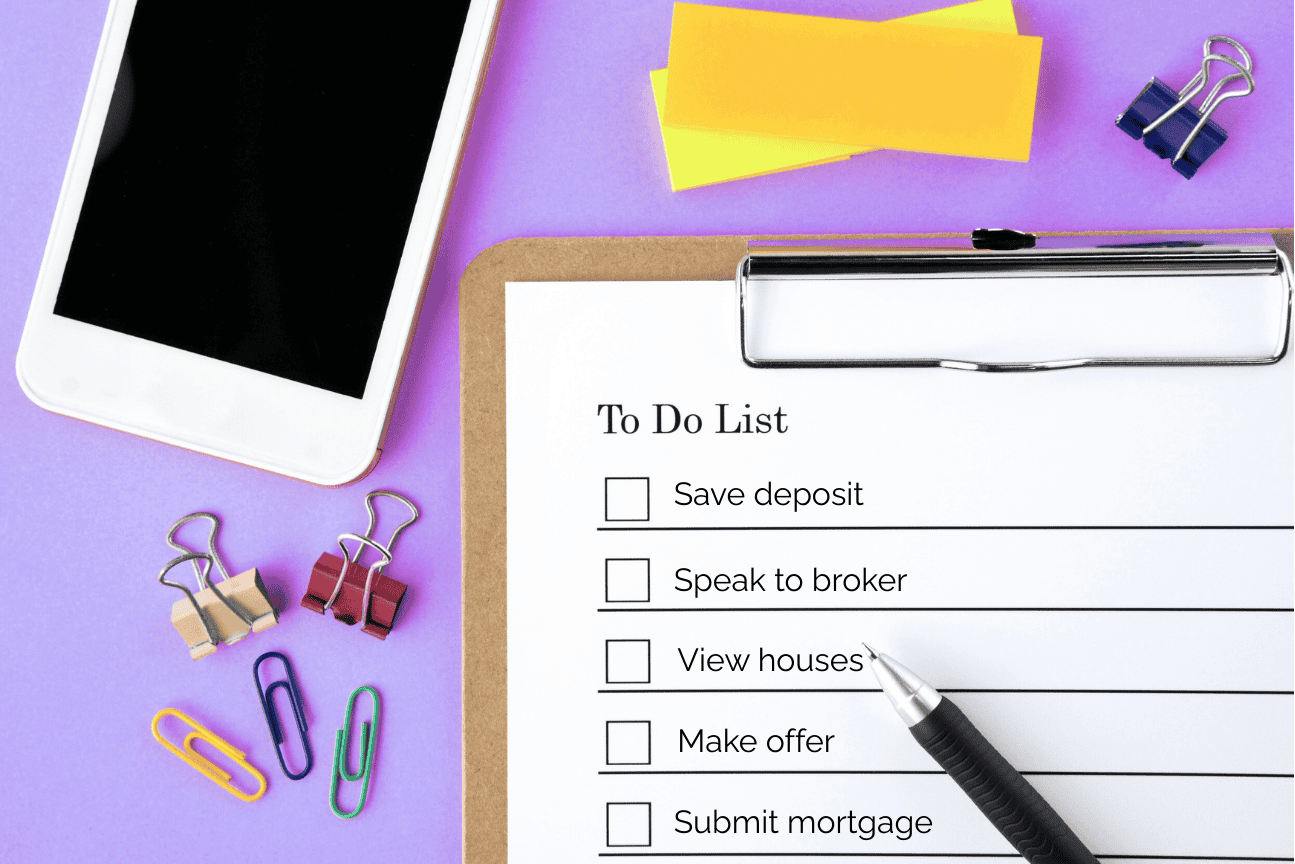
Here’s a quick summary of the key steps to take before you start viewing properties:
✅ Start saving your deposit – Aim for at least 5-10%, more if possible
✅ Check your credit file – Review it for errors and improve your score if needed
✅ Track your spending – Understand your income and outgoings
✅ Use mortgage calculators – Get a realistic sense of what you can borrow and afford
✅ Get your documents together – Payslips, bank statements, ID, proof of deposit
✅ Speak to a mortgage broker – Get expert guidance on your situation and next steps
✅ Decide on your mortgage type – Fixed, tracker, term length, repayment method
✅ Get an Agreement in Principle – Show sellers you’re ready to buy
Ready to get started?
Getting ready to buy doesn’t have to be complicated. With the right preparation and expert guidance, you can approach the process with clarity and confidence.
At Ernest Grant Mortgages, we’re here to support you at every stage. Whether you’re just starting to think about buying or you’re ready to make an offer, we’ll help you understand your options, improve your position, and find the right mortgage for your circumstances.
Book a free consultation with our team to talk through your situation, or explore our tools and calculators to get a sense of what’s possible.